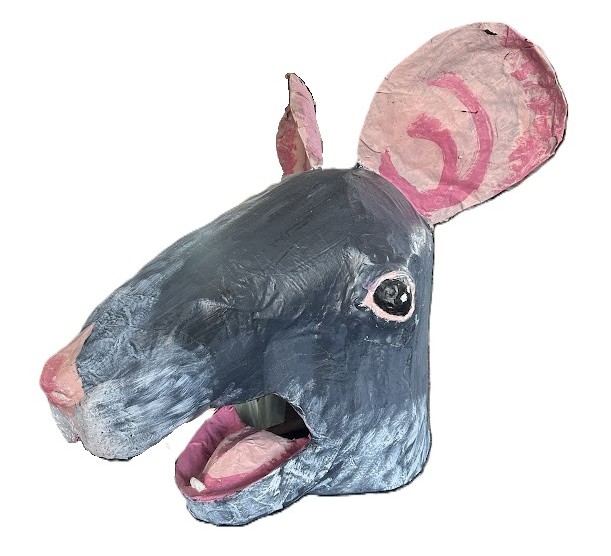
As a humble participant of corporate America, I set out to design a Halloween costume that conveyed “A Member of the Rat Race.” The concept combined everyday professional attire with a custom-designed rat mask to create a recognizable visual pun.
From a design perspective, the challenge became an exercise in technique research, material experimentation, and iterative refinement to transform an abstract idea into a cohesive physical artifact.
I began by defining the core concept and North Star for the design: the costume should immediately communicate rat.
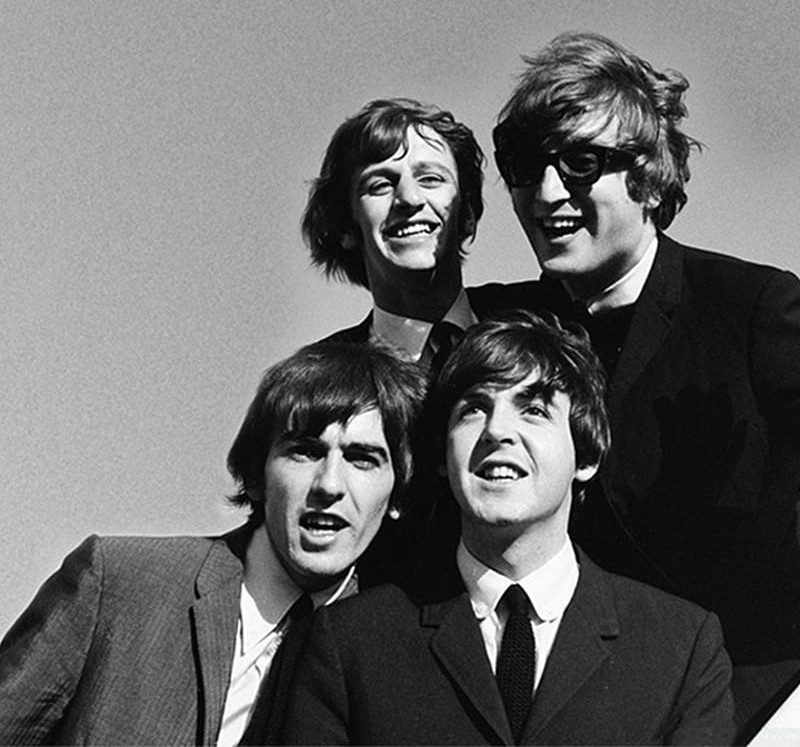
To refine the visual language, I conducted exploratory research into:
Using these references, I created multi-angle sketches to map proportions and define the mask’s structure and personality.
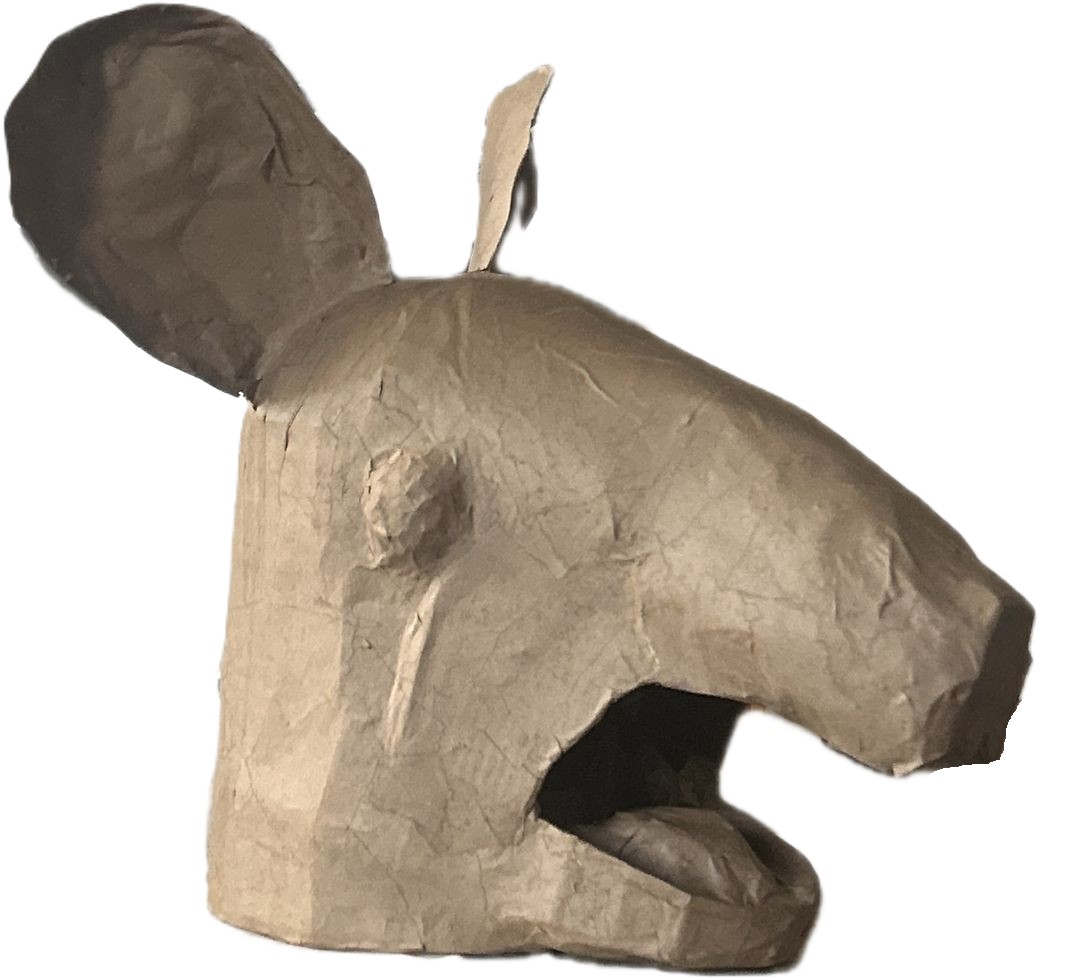
I then built an initial "wire frame" using lightweight materials to form a structural base that could fit securely over my head. This stage focused on establishing the mask’s overall shape, internal support system, and wearability.
The design evolved through multiple iterative cycles:
Throughout the process, I repeatedly revisited the original concept to ensure the design maintained its intended reaction while still remaining functional as a wearable object.


The final mask was successfully recognized by many a party-goer.
While the project was created for the joy of creation and to have a enviable Halloween costume, it reinforced several design principles that translate directly to professional UX and product work by:
Working through unfamiliar materials also required structured experimentation and continuous recalibration, mirroring how complex product and design initiatives evolve over time.
Ultimately, the project highlighted the value of process-driven design, iterative problem solving, and aligning the final outcome with the original intent of the concept.