Education Market Expansion

Project Management • Stakeholder and User Interview • Workshops • LLM-Assisted Qualitative Analysis

A youth-focused education nonprofit wanted to expand its programs into new geographic regions to reach underserved populations.

The team needed to identify three high-potential regions while also evaluating whether the organization’s current program offerings, pricing structure, and delivery model would work effectively in new communities.

The challenge of this project was to understand the needs of potential users and stakeholders across different regions, and design a scalable service model that could deliver meaningful impact while also remaining financially viable.

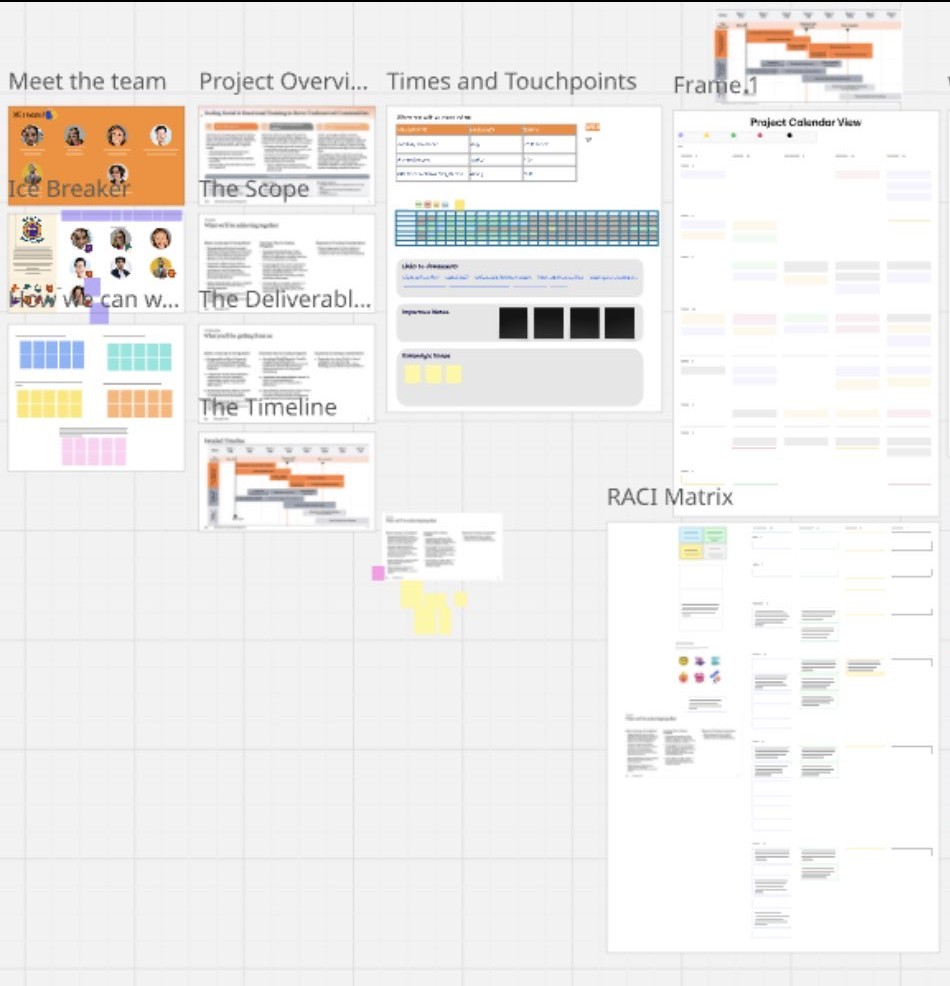
We began with a kick off session where we aligned on objectives and approach, making sure to start the project with the context that mission alignment was paramount.

After defining the scope to be 3 net new geographies and pricing alignment with local markets we conducted a mixed-method research approach, focusing on internal stakeholders and ecosystem context.

Stakeholder Research

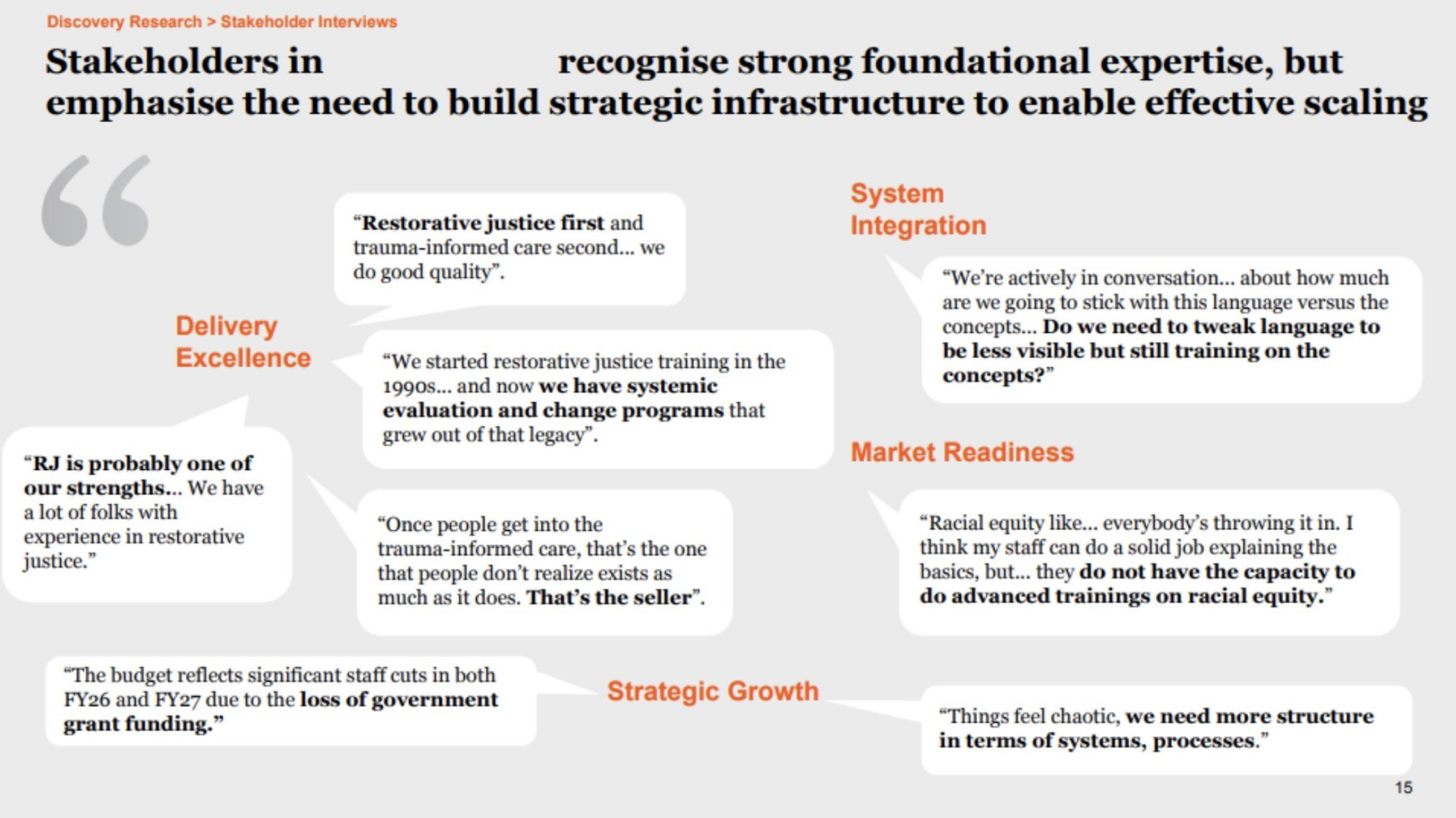
  • Conducted interviews with program, finance, and operations teams to understand current workflows, constraints, and opportunities for scaling services
  • Identified key assumptions about target populations, funding models, and program delivery

Collaborative Discovery Workshops

  • Designed and facilitated two interactive workshops with senior leadership to define success metrics for expansion
  • Used structured exercises to align on priority populations, desired impact outcomes, and operational guardrails

Market and Ecosystem Analysis

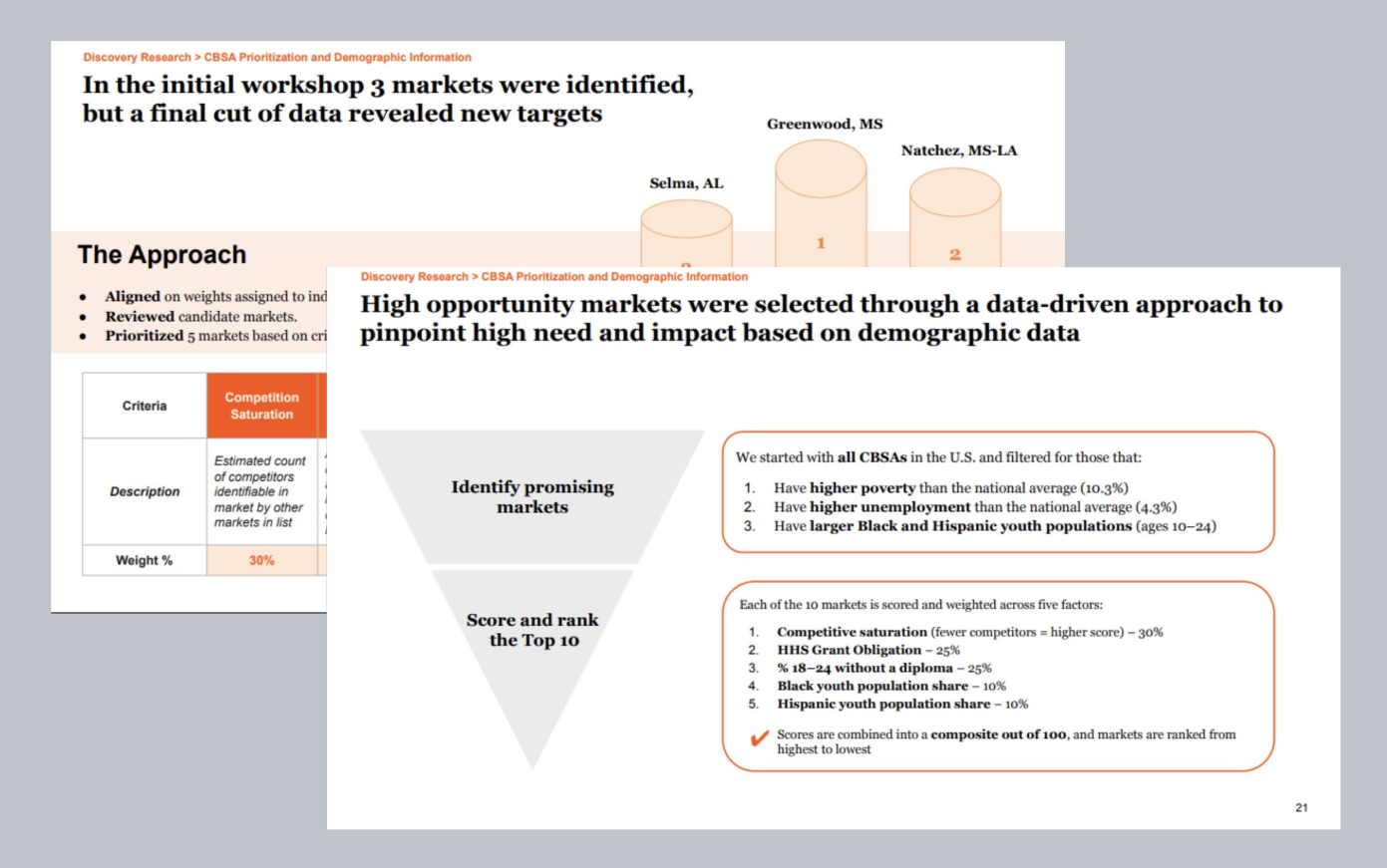
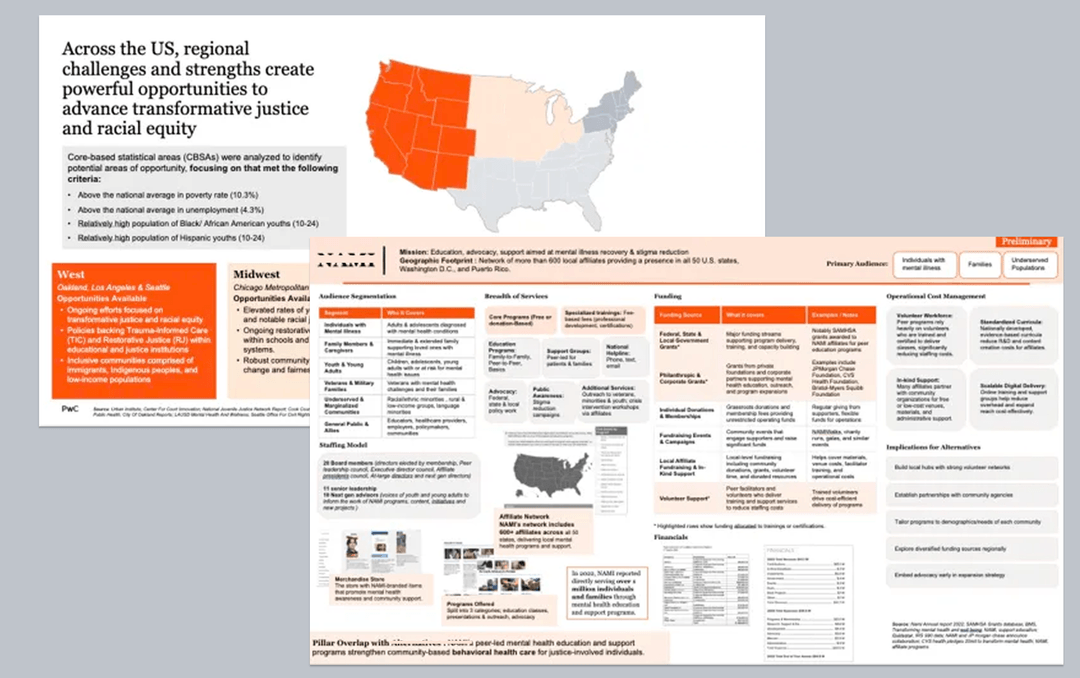
  • Analyzed demographic data, funding availability, and competitive program offerings across potential regions
  • Evaluated how current program pricing and packaging aligned with local economic conditions

The research revealed three critical insights:

  1. Mission alignment alone was not sufficient for expansion. Regions with the greatest educational need did not always have sustainable funding ecosystems or a population willing to adapt
  2. Program delivery models required flexibility; existing program structures would need adjustments in pricing and packaging to remain viable in different markets
  3. Operational capacity was a major constraint, expansion decisions needed to account for internal staffing and program management limitations

These insights helped define a framework for evaluating new markets that balanced impact, feasibility, and sustainability.The research resulted in these key deliverables:

  • Three prioritized geographic markets for potential expansion
  • Refined program packaging and pricing models aligned with local conditions
  • A framework for evaluating future expansion opportunities

Findings were presented to the organization’s board, generating strong engagement and alignment around the proposed approach.

The research created a clear, evidence-based foundation for future growth decisions, enabling leadership to advocate for expansion with greater confidence.
Local Youth Education Non-Profit

2025

Miro, Google Slides, ChatGPT, CBSA Database, User Survey/ Interviews

Project Highlights

See the projects that matter to me.

AI Contact Center Enablement

AI Contact Center Enablement

Global Beatles Day

Global Beatles Day

Rat Mask

Rat Mask